 © 2016 University Meat |




Introduction
For restaurants, cafés, pubs, catering businesses, and quick service restaurants (QSRs) across Melbourne, one of the most important operational decisions is choosing between fresh and frozen meat. This choice directly impacts food cost, kitchen efficiency, storage requirements, and ultimately the consistency of every dish served.
As Australia’s hospitality industry continues to face rising protein prices, labour shortages, and tighter margins, commercial kitchens are under increasing pressure to make smarter purchasing decisions that balance quality with practicality. While fresh meat is often associated with premium quality and immediacy, frozen meat offers advantages in shelf life, portion control, and waste reduction that are becoming increasingly valuable in high-volume foodservice environments.
Understanding when to use fresh meat versus frozen meat is no longer just a supplier preference — it’s a strategic decision that can influence profitability, operational efficiency, and menu performance. In this guide, we explore how each option performs in real-world commercial kitchens across Melbourne and what works best for modern hospitality businesses.
What Is the Difference Between Fresh and Frozen Meat?
Understanding the difference between fresh and frozen meat is essential for any commercial kitchen making purchasing decisions at scale. While both options come from the same source and can be high quality when handled correctly, the key differences lie in storage, shelf life, usability, and operational flexibility.
Fresh meat refers to product that has been chilled after processing and kept at controlled refrigeration temperatures without being frozen. It is typically used quickly and is often preferred in kitchens where turnover is high and chefs want immediate access to product without thawing time. Fresh meat is commonly associated with premium dining experiences, where texture, handling, and immediate preparation are key priorities.
Frozen meat, on the other hand, is rapidly chilled and frozen shortly after processing to preserve its quality for an extended period. When done using modern freezing methods, such as blast freezing, the structural integrity, flavour, and nutritional value of the meat can be maintained with minimal degradation. This allows commercial kitchens to store product for significantly longer periods without the risk of spoilage.
For Melbourne restaurants, cafés, QSRs, and catering businesses, both fresh and frozen meat are widely used depending on operational needs. Fresh meat is often selected for immediate preparation and high-end menu items, while frozen meat is favoured for batch cooking, bulk production, and managing fluctuating demand across service periods.
In practice, the difference is less about quality and more about how each product supports kitchen workflow, storage capacity, and cost control. This is why many modern commercial kitchens in Australia now use a combination of both to balance efficiency and consistency.

The Benefits of Fresh Meat in Restaurants
Fresh meat is often the preferred choice in restaurants and hospitality venues where immediacy, texture, and culinary flexibility are central to the dining experience. In many Melbourne-based restaurants, particularly those positioned in the premium or à la carte dining space, fresh meat is valued for its ability to be prepared and served without the need for thawing, allowing chefs to work directly with the product as it arrives.
One of the key advantages of fresh meat is its immediate usability. Because it has not been frozen, it can be portioned, seasoned, and cooked straight away, which is particularly beneficial in kitchens where menu changes are frequent or where dishes are prepared to order with minimal lead time. This makes fresh meat especially suitable for high-end restaurants, steak-focused venues, and establishments where presentation and precision are critical.
Fresh meat is also often associated with a perception of higher quality among both chefs and customers. In many dining environments, the idea of “freshly prepared” aligns with expectations of premium service, especially when it comes to steaks, lamb cuts, and specialty proteins. This can play an important role in menu positioning and brand identity for restaurants that rely on quality perception as part of their offering.
However, while fresh meat offers these operational and experiential benefits, it also requires careful inventory management. Its shorter shelf life means kitchens must plan purchases more precisely to avoid spoilage, particularly during periods of fluctuating demand. In busy commercial environments, this can increase pressure on stock rotation and raise the risk of food waste if forecasting is inaccurate.
For this reason, many Melbourne restaurants, cafés, and QSR operators use fresh meat strategically rather than exclusively, reserving it for menu items where immediacy and premium presentation are most important, while relying on other supply options for volume-based production.
The Advantages of Frozen Meat for Commercial Kitchens
Frozen meat has become an increasingly important solution for commercial kitchens across Melbourne, particularly for restaurants, pubs, catering companies, meal prep businesses, and quick service restaurants (QSRs) that require consistency, flexibility, and strong cost control. Thanks to modern freezing technology, frozen meat today is vastly different from the lower-quality perception it once carried. When processed and stored correctly, frozen meat can maintain excellent flavour, texture, and nutritional value while offering major operational advantages.
One of the biggest benefits of frozen meat is its extended shelf life. Unlike fresh meat, which must be used within a relatively short timeframe, frozen products can be stored for much longer periods without compromising safety or quality. This gives commercial kitchens greater flexibility when managing fluctuating demand, seasonal menu changes, or unexpected slow periods. For many Melbourne hospitality venues, this flexibility significantly reduces spoilage and helps minimise food waste — one of the largest hidden costs in foodservice operations.
Frozen meat also improves purchasing efficiency. Many restaurants and QSR operators use frozen products to bulk buy during favourable market conditions, helping them stabilise protein costs and protect margins against price volatility. This is particularly valuable in Australia’s current hospitality environment, where rising food costs continue to place pressure on profitability.
Operationally, frozen meat supports better kitchen planning and workflow management. Because product can be thawed as needed, kitchens are able to prepare more accurately for service and reduce the risk of over-ordering. Frozen products also work exceptionally well for high-volume menu items such as burgers, slow-cooked dishes, shredded meats, curries, schnitzels, and catering trays where consistency and yield are more important than immediate freshness perception.
For multi-site restaurants and QSR chains, frozen meat also provides a level of consistency that is difficult to maintain with fresh-only supply. Portion-controlled frozen proteins help ensure uniform serving sizes, predictable food costs, and easier inventory management across multiple locations. This consistency is essential for operators focused on speed, efficiency, and maintaining the same customer experience at every site.
As a result, many modern commercial kitchens across Melbourne now rely on frozen meat not as a compromise, but as a strategic operational tool that improves efficiency, reduces waste, and supports long-term profitability.
How Melbourne Restaurants Use Both Fresh and Frozen Meat
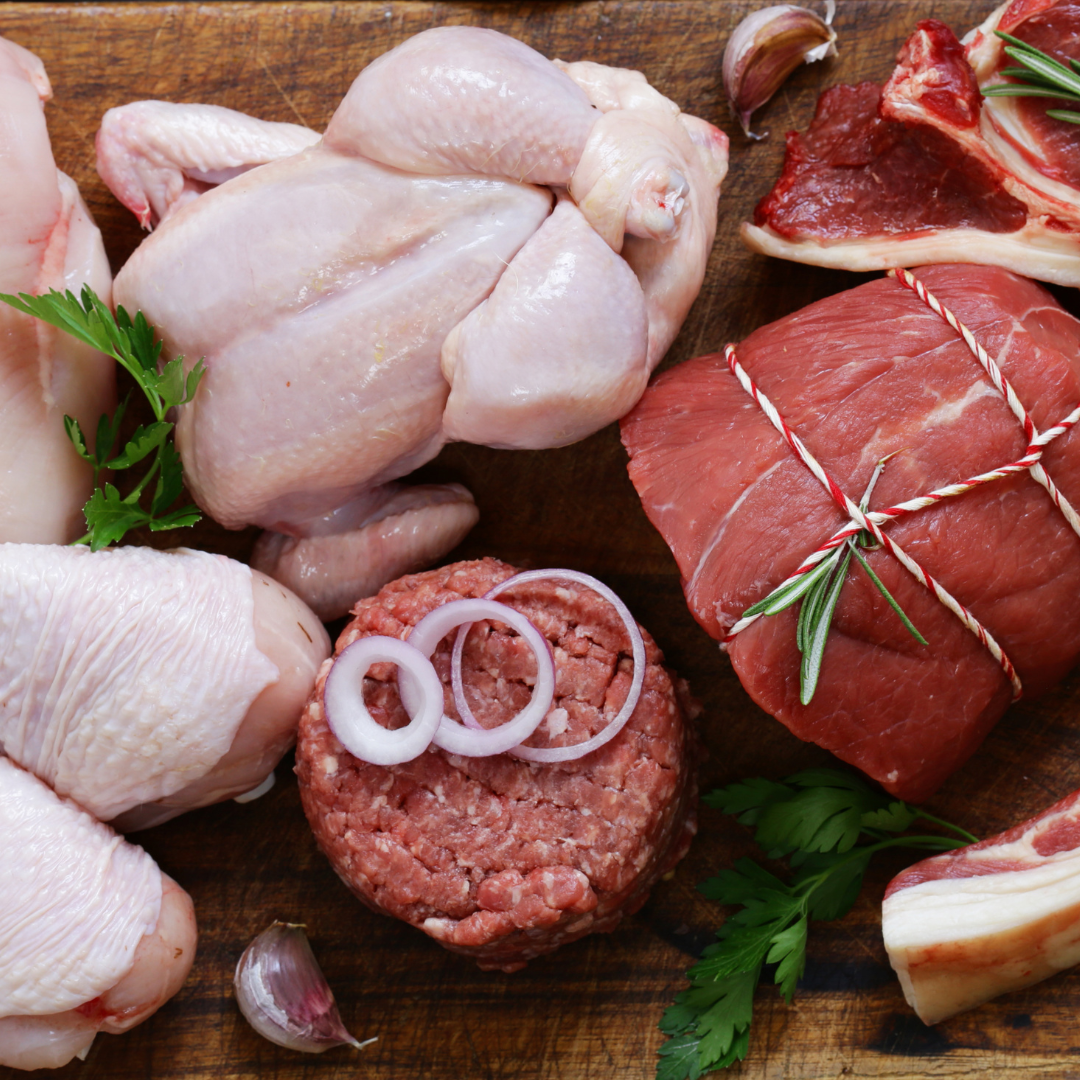
In reality, most successful commercial kitchens across Melbourne do not rely exclusively on either fresh or frozen meat. Instead, they use a combination of both to create a more flexible, efficient, and cost-effective operation. By balancing fresh products for premium applications with frozen products for high-volume consistency, restaurants are able to optimise both quality and profitability.
Fresh meat is often reserved for menu items where presentation, texture, and perceived quality are especially important. Steakhouses, premium bistros, and chef-driven restaurants frequently use fresh cuts for signature dishes that are prepared to order and marketed around freshness or premium Australian produce. In these environments, chefs value the ability to work directly with chilled product and make real-time preparation decisions based on service demand.
Frozen meat, however, plays a major role behind the scenes in many Melbourne hospitality venues. High-volume kitchens regularly use frozen proteins for dishes that require batch preparation, slow cooking, or highly consistent portioning. Burgers, schnitzels, pulled meats, curries, pasta dishes, tacos, catering trays, and ready-meal components are all common examples where frozen or pre-portioned proteins help improve efficiency without compromising overall quality.
This hybrid approach is particularly common among quick service restaurants (QSRs), pubs, catering businesses, and multi-site operators that need to manage labour costs and maintain reliable service during peak periods. Frozen products provide the operational flexibility to prepare only what is needed, reducing spoilage and helping kitchens respond more effectively to changing customer demand.
Using both fresh and frozen meat also allows operators to manage storage space and stock rotation more efficiently. Fresh products can be ordered in smaller quantities for immediate use, while frozen inventory acts as a buffer that protects kitchens from supply disruptions, sudden demand increases, or unexpected staffing challenges. This balance is especially valuable in Melbourne’s hospitality industry, where service patterns can fluctuate significantly between weekdays, weekends, events, and seasonal periods.
Ultimately, the most effective commercial kitchens are not choosing between fresh or frozen meat based on perception alone. Instead, they are selecting the right product for the right application — using each strategically to improve kitchen performance, reduce waste, and maintain strong profit margins.
Impact on Food Cost, Waste, and Kitchen Efficiency
The decision to use fresh or frozen meat has a direct impact on the financial and operational performance of a commercial kitchen. For restaurants, cafés, pubs, caterers, and QSR operators across Melbourne, factors such as food cost control, labour efficiency, stock management, and waste reduction are often just as important as the product itself.
One of the biggest challenges with fresh meat is managing shelf life. Because chilled products must be used quickly, kitchens need highly accurate forecasting to avoid spoilage. During quieter trading periods or unexpected fluctuations in customer demand, unused fresh stock can quickly become waste, driving up food costs and reducing profitability. For high-volume venues operating on tight margins, even small amounts of daily spoilage can accumulate into significant annual losses.
Frozen meat helps reduce this risk by extending product usability and giving kitchens greater flexibility in how they manage inventory. Instead of preparing all stock immediately, operators can thaw only what is required for service, helping reduce overproduction and unnecessary waste. This is especially valuable for venues managing multiple service channels such as dine-in, takeaway, delivery, and catering, where demand can vary considerably from day to day.
From a labour perspective, frozen and portion-controlled products can also improve kitchen efficiency. Many Melbourne hospitality businesses are currently dealing with labour shortages and rising wage costs, making streamlined prep processes increasingly important. Frozen products allow kitchens to batch prepare more effectively, reduce prep pressure during peak periods, and simplify workflow for junior staff. In fast-paced environments such as QSRs and pubs, this operational consistency can significantly improve service speed and reduce stress on kitchen teams.
Food cost predictability is another major factor. Frozen and portion-controlled meats often provide more stable yields and more accurate portioning, helping operators maintain tighter control over COGS and menu profitability. Fresh meat can still deliver exceptional value when managed correctly, but it typically requires more precise stock rotation, stronger kitchen discipline, and closer purchasing oversight to minimise waste.
For many commercial kitchens in Melbourne, the real advantage comes from balancing both options strategically. Fresh meat may be ideal for premium menu items and immediate service, while frozen products provide reliability, flexibility, and operational stability in high-volume applications. By understanding how each impacts food cost, waste, and efficiency, operators can build a supply strategy that supports both quality and long-term profitability.
Why Melbourne Hospitality Businesses Choose University Meat
Choosing the right wholesale meat supplier is about more than just price — it’s about reliability, consistency, product quality, and having a supply partner that understands the pressures of modern foodservice. At University Meat, we work closely with restaurants, cafés, pubs, caterers, and QSR operators across Melbourne to help them run more efficient and profitable kitchens.
We understand that consistency matters. Whether you’re serving hundreds of meals a day or operating across multiple locations, you need proteins that arrive on time, meet specification, and perform consistently during service. That’s why we focus on supplying high-quality Australian meat products with reliable portioning, strong yield, and dependable availability.
Our range includes fresh and frozen wholesale meats, portion-controlled proteins, pre-trimmed cuts, chicken portions, beef, lamb, pork, mince blends, schnitzels, and value-added products designed specifically for commercial kitchens. By helping reduce prep time, trimming waste, and labour requirements, we support venues looking to improve operational efficiency without compromising quality.
We also know that every venue operates differently. A premium restaurant has different requirements to a high-volume QSR or catering business, which is why we work closely with our customers to provide tailored meat supply solutions that align with their menu, service style, and budget. Our team understands the realities of Melbourne hospitality and helps operators select products that maximise yield, improve consistency, and reduce unnecessary waste.
Reliable delivery and strong supply chain management are equally important. Hospitality businesses can’t afford late deliveries, inconsistent stock, or unreliable suppliers. We pride ourselves on maintaining dependable service and consistent product availability so our customers can focus on running their kitchens with confidence.
For many Melbourne venues, working with University Meat means gaining more than just a supplier — it means partnering with a team that understands foodservice operations and is committed to helping kitchens improve efficiency, control costs, and maintain quality across every service.
Final Thoughts
For Melbourne restaurants, cafés, pubs, catering businesses, and quick service restaurants, the decision between fresh and frozen meat is not simply about preference — it’s about finding the right balance between quality, efficiency, consistency, and cost control. Both options offer clear advantages, and the most effective commercial kitchens are those that understand how to use each strategically within their operation.
Fresh meat continues to play an important role in premium menu applications and fast-moving kitchens where immediacy and presentation are critical. Frozen meat, meanwhile, offers significant operational benefits through extended shelf life, reduced waste, improved portion control, and greater flexibility during fluctuating service periods. For many hospitality businesses across Melbourne, combining both fresh and frozen products delivers the best overall outcome.
Ultimately, choosing the right meat supply strategy can have a major impact on kitchen performance, food costs, labour efficiency, and long-term profitability. By working with an experienced wholesale meat supplier that understands the needs of Australian foodservice, venues can make smarter purchasing decisions that support both operational efficiency and customer satisfaction.
At University Meat, we help Melbourne hospitality businesses access reliable fresh and frozen meat solutions tailored to the demands of modern commercial kitchens. Whether your focus is reducing waste, improving consistency, streamlining prep, or managing food costs more effectively, having the right supply partner can make all the difference.