 © 2016 University Meat |



The Ultimate Guide to Buying Steak in Melbourne (2026 Edition)
Not all steaks are created equal — and if you’ve ever stood at the counter wondering whether to choose ribeye, porterhouse, or rump, you’re not alone. With so many cuts, grades, and feeding methods available across Melbourne, knowing what to buy (and why) can make the difference between an average meal and a truly exceptional one.
Whether you’re planning a weekend BBQ, a pan-seared dinner at home, or looking to impress guests with a premium cut, choosing the right steak starts with understanding a few key fundamentals: marbling, thickness, cut selection, and how the beef has been raised. From grass-fed to grain-fed, dry-aged to fresh, each factor plays a role in flavour, tenderness, and cooking performance.
In this guide, we’ll break down everything you need to know about buying steak in Melbourne, including:
- The best steak cuts and what they’re known for
- How to choose between grass-fed and grain-fed beef
- What to look for at a quality butcher
- Which steaks are best for BBQs, pan-searing, and different cooking styles
If you want consistently better results at home — and more confidence when buying — this guide will give you the knowledge to choose the right steak every time.
Best Steak Cuts in Melbourne: Quick Guide
If you’re short on time and just want the best option, here’s a simple breakdown of the most popular steak cuts you’ll find at a quality butcher — and what each one is best for.
- Ribeye (Scotch Fillet): Rich, juicy, and full of flavour thanks to high marbling. Ideal for BBQs and high-heat cooking.
- Porterhouse (Striploin): A great balance of tenderness and flavour with a firmer texture than ribeye. Perfect for pan-searing or grilling.
- T-Bone: Combines two cuts in one — tenderloin on one side, striploin on the other. Great for those who want variety on the plate.
- Rump Steak: Leaner and more affordable, but still packed with flavour. Best cooked carefully and sliced against the grain.
- Eye Fillet (Tenderloin): Extremely tender with a mild flavour and very little fat. Ideal for those who prioritise softness over richness.
Choosing the “best” steak ultimately depends on what you value most. If you’re after maximum flavour and juiciness, ribeye is hard to beat. If you prefer a leaner cut with a firmer bite, porterhouse or rump may be a better fit. For special occasions, eye fillet delivers unmatched tenderness.
When visiting a local butcher in Melbourne, don’t hesitate to ask for recommendations based on how you plan to cook your steak. A good butcher will guide you toward the right cut, thickness, and preparation method to suit your needs.
Understanding Steak Cuts: What Sets Them Apart
While the quick guide gives you a snapshot, understanding where each cut comes from and how it behaves during cooking will help you make consistently better choices at the butcher.
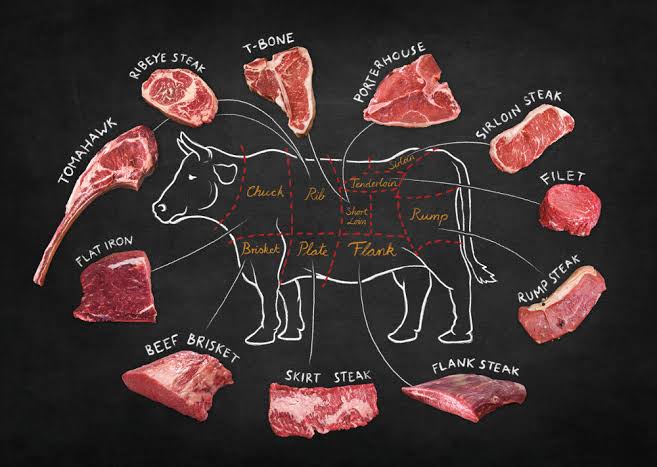
Each steak cut varies based on muscle use, fat distribution, and location on the animal — all of which influence tenderness, flavour, and ideal cooking method.
Ribeye (Scotch Fillet)
Cut from the rib section, ribeye (also known as scotch fillet in Australia) is prized for its high level of marbling. Because this part of the animal does less work, the meat stays tender, while the intramuscular fat delivers a rich, juicy, and buttery flavour when cooked.
This is often considered the go-to cut for BBQs and steak lovers who prioritise flavour above all else. It’s also one of the most forgiving cuts, making it ideal if you’re cooking over high heat.
Porterhouse (Striploin)
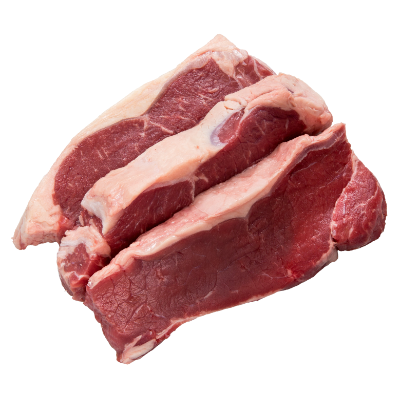
Porterhouse comes from the short loin and offers a balance between tenderness and structure. It has less marbling than ribeye but still delivers a strong, beefy flavour with a firmer bite.
This cut is popular for pan-searing and grilling, especially if you prefer a steak that holds its shape and has a slightly leaner profile without sacrificing taste.
Porterhouse (Striploin)> T-Bone
The T-bone is essentially two steaks in one — a striploin on one side of the bone and a smaller portion of tenderloin (eye fillet) on the other. This combination gives you both flavour and tenderness in a single cut.
It’s a great option for sharing or for those who want variety, though it can be slightly trickier to cook evenly due to the two different muscle types.
Rump Steak
Rump is cut from the hindquarter, a more active muscle group. As a result, it’s leaner and firmer than premium cuts like ribeye or porterhouse, but still delivers excellent flavour.
It’s also one of the best-value steaks available. When cooked properly — and sliced against the grain — rump can be incredibly enjoyable, especially for everyday meals.
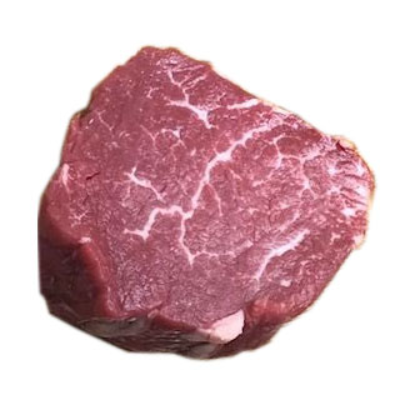
Eye Fillet (Tenderloin)
Eye fillet is the most tender cut of beef, taken from a muscle that does very little work. It has almost no marbling, which gives it a very soft texture but a milder flavour compared to fattier cuts.
This makes it ideal for those who prioritise tenderness over richness, and it’s often chosen for special occasions or refined dishes.
Understanding these differences allows you to match the cut to the occasion — whether that’s a quick midweek dinner, a weekend BBQ, or a premium steak experience at home.
Next, we’ll look at one of the most important decisions when buying steak: whether to choose grass-fed or grain-fed beef — and how it impacts flavour, texture, and cooking.
Grass-Fed vs Grain-Fed: Which Should You Choose?
One of the most common questions when buying steak is whether to choose grass-fed or grain-fed beef. While both are widely available in Australia and offer excellent quality, they deliver noticeably different results on the plate.
Grass-fed beef comes from cattle raised entirely on pasture. It tends to be leaner, with less marbling, and offers a cleaner, slightly earthy flavour. Because there’s less intramuscular fat, it requires a bit more precision when cooking — best kept to medium-rare and rested properly to retain moisture. Many people choose grass-fed for its leaner profile and more traditional farming approach.
Grain-fed beef, on the other hand, is typically pasture-raised before being finished on grain for a set period. This process increases marbling, resulting in a more tender, juicy steak with a richer, buttery flavour. It’s also more forgiving during cooking, making it a popular choice for BBQs and high-heat searing.
Neither option is objectively better — it comes down to what you value most:
- Choose grass-fed if you prefer leaner meat, a firmer texture, and a more natural flavour profile
- Choose grain-fed if you want maximum tenderness, marbling, and a richer eating experience
If you’re still unsure, you can explore a more detailed breakdown in our guide to grass-fed vs grain-fed beef, where we compare nutrition, flavour, and cooking performance in depth.
What to Look for When Buying Steak at a Butcher
Walking into a quality butcher shop should feel like an advantage — not a guessing game. Unlike supermarkets, a good butcher gives you access to fresher cuts, expert advice, and the ability to choose exactly what suits your cooking style. Knowing what to look for ensures you walk away with a steak that delivers on flavour, tenderness, and value.
One of the first things to check is marbling. These fine streaks of fat running through the meat are a key indicator of flavour and juiciness. More marbling generally means a richer, more tender steak, especially in cuts like ribeye or scotch fillet. If you’re choosing a leaner cut like rump, look for at least some even fat distribution to avoid dryness during cooking.
Next, pay attention to colour and freshness. High-quality beef should appear vibrant red with creamy white (or slightly yellow in grass-fed) fat. Avoid meat that looks dull, greyish, or overly wet. Dry-aged beef may appear darker on the outside — this is normal and often desirable — but your butcher should be able to explain the ageing process and trim.
Thickness is another critical factor that’s often overlooked. Thin steaks are much harder to cook evenly and can dry out quickly. As a general rule, aim for steaks that are at least 2.5–3cm thick, especially if you’re pan-searing or cooking on the BBQ. A good butcher can cut to your preferred thickness, which is a major advantage over pre-packaged supermarket options.
It’s also worth asking about how the beef was raised and prepared. Whether it’s grass-fed or grain-fed, dry-aged or fresh, these details directly impact flavour and cooking performance. A reputable butcher will be transparent about sourcing and happy to recommend the best option based on your needs.
Finally, don’t underestimate the value of simply asking for advice. If you tell your butcher how you plan to cook the steak — BBQ, pan, reverse sear — they can guide you toward the best cut, thickness, and even provide cooking tips. This level of expertise is one of the biggest advantages of buying from a specialist butcher.
Best Steak for Each Cooking Method
Choosing the right cut is only half the equation — how you cook it plays an equally important role. Different steak cuts perform better under different conditions, and matching the cut to your cooking method is one of the easiest ways to improve results at home.
BBQ / Open Flame Grilling
For high-heat BBQ cooking, you want cuts that can handle intense temperatures without drying out. This is where marbling becomes essential.
Ribeye (scotch fillet) is the standout choice here. Its higher fat content renders over the flame, keeping the meat juicy while developing a rich, caramelised crust. Porterhouse and T-bone also perform well, offering a balance of flavour and structure, though they require slightly more attention to avoid overcooking.
If you’re cooking over charcoal or open flame, grain-fed beef tends to deliver more consistent results due to its marbling and tolerance for high heat.
Pan-Searing (Cast Iron or Stainless Steel)
Pan-searing is ideal for achieving a deep, even crust while maintaining control over internal temperature. Cuts like porterhouse, ribeye, and eye fillet all work well in this setting.
Ribeye will produce a richer, more indulgent result due to the fat rendering in the pan, while eye fillet offers a softer, more delicate texture. Porterhouse sits in between, giving you a balanced steak with good flavour and structure.
For best results, use a thick cut and allow the steak to come to room temperature before cooking.
Reverse Sear (Oven + Pan Finish)
The reverse sear method — slowly bringing the steak up to temperature before finishing with a hot sear — works particularly well for thicker cuts.
This method is ideal for ribeye, porterhouse, and T-bone steaks that are at least 3cm thick. It allows for even cooking edge-to-edge while still delivering a crisp exterior.
Because this method is more controlled, both grass-fed and grain-fed beef can perform well, though grain-fed will still provide a slightly juicier finish.
Slow Cooking (Low and Slow Cuts)
While not traditionally “steaks” in the classic sense, cuts like brisket, chuck, and short ribs benefit from long, slow cooking methods.
Both grass-fed and grain-fed options work here, but fat content plays a role in the final texture. Grain-fed cuts tend to yield a richer, more unctuous result, while grass-fed can offer a deeper, more pronounced beef flavour when cooked properly over time.
By matching the cut to the cooking method, you set yourself up for success before the steak even hits the heat. Small decisions at the buying stage often make the biggest difference on the plate.
Why Buying from a Local Butcher in Melbourne Matters
Where you buy your steak can be just as important as the cut you choose. While supermarkets offer convenience, a local butcher provides a level of quality, transparency, and expertise that’s difficult to match — especially when it comes to premium beef.
One of the biggest advantages is freshness and control. Butchers typically source whole cuts and prepare them in-house, which means your steak hasn’t been sitting pre-packaged on a shelf for days. You can also request exactly what you want — from thickness to trimming — ensuring the steak is perfectly suited to your cooking method.
There’s also a noticeable difference in quality and sourcing. A reputable butcher will be able to tell you where the beef comes from, whether it’s grass-fed or grain-fed, and how it’s been handled. This level of traceability not only builds trust but often results in a better eating experience.
Another key benefit is expert advice. Instead of guessing, you can have a conversation. Whether you’re planning a BBQ, trying a reverse sear, or cooking steak for a special occasion, a good butcher can recommend the right cut, ideal thickness, and even provide cooking tips to help you get the best result.
Local butchers also tend to offer premium options you won’t always find in supermarkets, such as dry-aged beef or speciality cuts prepared to order. These products are designed for flavour and performance, making them ideal if you’re looking to elevate your cooking.
Finally, there’s the value of supporting local. Choosing a local butcher helps sustain skilled trades, local supply chains, and Australian producers — something that resonates with many Melbourne shoppers.
Summary
Buying the perfect steak in Melbourne comes down to understanding a few key fundamentals: the cut, the marbling, how the beef was raised, and how you plan to cook it. Once you know what to look for, choosing a great steak becomes far more straightforward — and far more rewarding.
- Ribeye (scotch fillet) is the top choice for flavour and juiciness
- Porterhouse offers a balanced, versatile steak with a firmer bite
- Eye fillet delivers unmatched tenderness with a milder taste
- Rump provides excellent value with strong beef flavour when cooked properly
Your choice between grass-fed and grain-fed will influence both flavour and cooking performance, with grass-fed offering a leaner, more traditional profile, and grain-fed delivering richer marbling and tenderness.
Equally important is where you buy your steak. A quality local butcher gives you access to fresher cuts, better sourcing transparency, and expert advice — all of which contribute to a better result on the plate.
With the right cut, proper thickness, and a cooking method that suits the meat, you can consistently achieve restaurant-quality steak at home.
While choosing the right steak is important, knowing where to buy quality meat matters too. Learn more in our guide to choosing an online butcher in Melbourne.
FAQs
What is the best steak to buy in Melbourne?
Ribeye (scotch fillet) is widely considered the best all-round steak due to its marbling, flavour, and tenderness. Porterhouse is a close second for those who prefer a slightly leaner cut.
Is ribeye better than porterhouse?
Ribeye is richer and more tender due to higher marbling, while porterhouse has a firmer texture and slightly leaner profile. The better option depends on your preference for flavour versus structure.
What thickness should a steak be?
For best results, aim for steaks that are at least 2.5–3cm thick. Thicker cuts cook more evenly and are easier to control, especially when pan-searing or BBQing.
Should I choose grass-fed or grain-fed steak?
Grass-fed is leaner with a more natural flavour, while grain-fed offers more marbling and tenderness. Choose based on your cooking method and taste preference.
Is it better to buy steak from a butcher or supermarket?
A butcher typically offers fresher meat, better quality control, and expert advice. You can also request custom cuts and thickness, which improves cooking results.