 © 2016 University Meat |



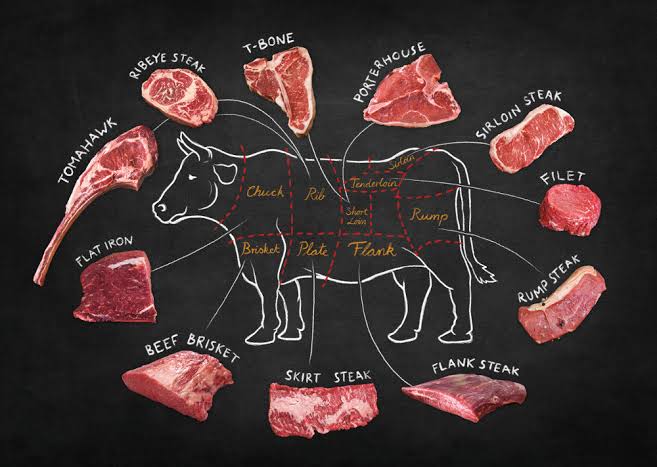
If you’ve ever stood at the butcher’s counter wondering whether to choose grass-fed or grain-fed beef, you’re not alone. Across Australia, more shoppers are asking: Is grass-fed beef healthier? Does grain-fed taste better? Which one is best for steak?
The answer isn’t as simple as “one is better than the other.” It depends on what you value most — flavour, marbling, nutritional profile, sustainability, or cooking performance.
In Australia, most cattle begin life on pasture. Some remain pasture-raised for their entire lives (grass-fed), while others are finished on grain for a specific period to enhance marbling and consistency (grain-fed). Both methods produce high-quality beef, but they deliver different eating experiences.
In this guide, we’ll break down:
- The key differences between grass-fed and grain-fed beef in Australia
- Which option is healthier
- How flavour and marbling compare
- What chefs and butchers recommend for different cuts
- Which is better for BBQs, pan-searing, and slow cooking
Whether you’re buying a premium ribeye for a weekend BBQ or stocking up for family dinners, understanding these differences will help you choose the right beef with confidence.
Summary
Choosing between grass-fed and grain-fed beef in Australia ultimately depends on your priorities: flavour, tenderness, nutrition, cooking method, and sustainability.
- Grass-fed beef is leaner, with a firmer texture, earthy flavour, and higher omega-3 content. It’s ideal for medium-rare cooking, health-conscious meals, and consumers who value traditional pasture-raised methods.
- Grain-fed beef offers consistent marbling, a richer buttery flavour, and greater tenderness. It’s forgiving under high-heat cooking and preferred for premium steak cuts like ribeye and scotch fillet.
Both options provide high-quality protein and essential nutrients, and both can be sourced sustainably if you consider traceability and farm practices. By understanding the differences, you can select beef that aligns with your taste preferences, cooking style, and ethical values.
Grass-Fed vs Grain-Fed Beef: Quick Comparison (Australia)
Here is a clear side-by-side breakdown of how grass-fed and grain-fed beef differ in Australia.
|
Feature |
Grass-Fed Beef |
Grain-Fed Beef |
|
Diet |
Pasture-based (grass, forage) for entire life |
Pasture-raised, then grain-finished for 60–300+ days |
|
Marbling |
Leaner, less intramuscular fat |
Higher marbling, more consistent fat distribution |
|
Flavour |
Earthy, mineral, slightly gamey |
Richer, buttery, more pronounced beef flavour |
|
Texture |
Firmer |
More tender (due to marbling) |
|
Cooking Style |
Best cooked medium-rare, careful heat control |
More forgiving at higher heat |
|
Nutritional Profile |
Generally higher in omega-3s and CLA |
Slightly higher total fat content |
|
Consistency |
Can vary seasonally |
Highly consistent year-round |
What Is Grass-Fed Beef?
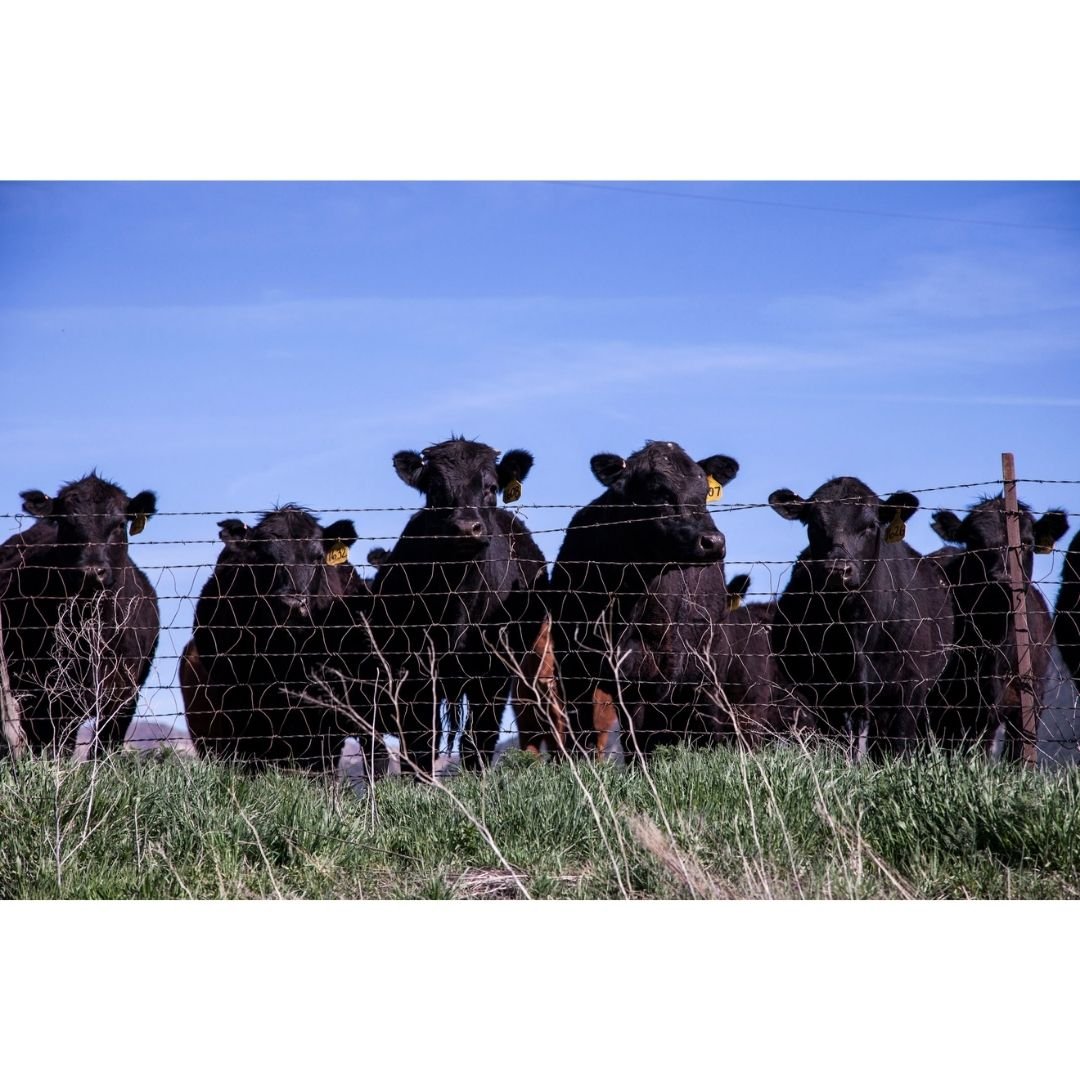
In Australia, grass-fed beef refers to cattle that graze on pasture for their entire lives. This is the traditional Australian farming model and remains widely practised across Victoria and regional Australia.
Because the animals move freely and feed naturally, grass-fed beef tends to be:
- Leaner
- Lower in overall fat
- Higher in omega-3 fatty acids
- Slightly firmer in texture
The flavour is often described as more complex and earthy. Some steak enthusiasts prefer it for its “cleaner” taste and natural profile.
Grass-fed beef is popular with shoppers looking for:
- Leaner red meat options
- Perceived environmental benefits
- A more traditional Australian beef profile
However, because it contains less marbling, it can dry out if overcooked — making cooking technique especially important.
What Is Grain-Fed Beef?
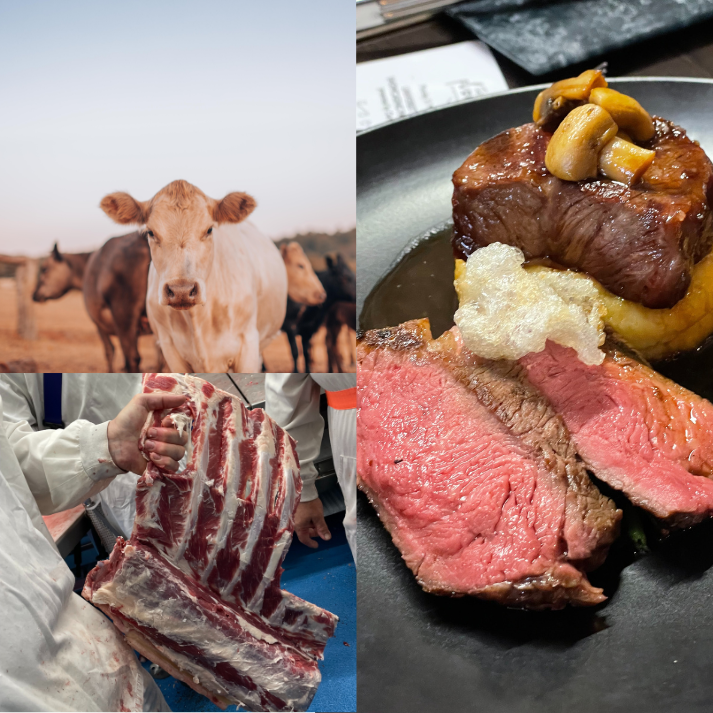
In Australia, grain-fed beef refers to cattle that begin life on pasture before being finished on a controlled grain diet for a defined period — typically anywhere from 60 to 300+ days. This finishing phase usually occurs in accredited feedlots, where nutrition is carefully managed to promote consistent growth, marbling, and tenderness.
The primary purpose of grain finishing is to increase intramuscular fat — commonly known as marbling. Marbling is the fine flecks of fat dispersed through the muscle, and it plays a critical role in juiciness, flavour intensity, and mouthfeel. As the fat renders during cooking, it bastes the meat internally, resulting in a richer and more buttery eating experience.
Because of this higher marbling content, grain-fed beef is generally:
- More tender
- More forgiving at higher cooking temperatures
- More consistent in flavour and texture
- Visibly more marbled when raw
From a culinary perspective, grain-fed beef is often preferred for premium steak cuts such as ribeye, scotch fillet and porterhouse. Restaurants frequently favour grain-fed programs because they deliver predictable results across every service. When a diner orders a medium-rare steak, consistency matters — and grain finishing provides that reliability.
That said, grain-fed beef typically contains slightly more total fat compared to grass-fed beef. While the nutritional difference is not dramatic, it is noticeable. For consumers prioritising lower overall fat intake, grass-fed may be more aligned with their goals. For those seeking indulgent flavour and tenderness, grain-fed is often the preferred choice.
Which Is Healthier: Grass-Fed or Grain-Fed Beef?
From a nutritional standpoint, both grass-fed and grain-fed beef are high-quality sources of protein, iron, zinc, and B vitamins. The differences lie primarily in fat composition rather than core nutrients.
Grass-fed beef generally contains:
- Higher levels of omega-3 fatty acids
- Higher concentrations of conjugated linoleic acid (CLA)
- Slightly lower total fat
Grain-fed beef typically contains:
- Higher overall fat content
- More monounsaturated fat (which contributes to flavour and texture)
- Slightly fewer omega-3s compared to grass-fed
It is important to contextualise these differences. While grass-fed beef does contain more omega-3s, beef is not a primary omega-3 source in the average Australian diet — oily fish contributes far more. Therefore, the health distinction, while real, is often smaller in practical dietary terms than marketing suggests.
For most consumers, the choice comes down to personal priorities: leaner meat with a pasture-based production model, or enhanced marbling and eating quality through grain finishing.
Which Is Healthier: Grass-Fed or Grain-Fed Beef?
From a nutritional standpoint, both grass-fed and grain-fed beef are high-quality sources of protein, iron, zinc, and B vitamins. The differences lie primarily in fat composition rather than core nutrients.
Grass-fed beef generally contains:
- Higher levels of omega-3 fatty acids
- Higher concentrations of conjugated linoleic acid (CLA)
- Slightly lower total fat
Grain-fed beef typically contains:
- Higher overall fat content
- More monounsaturated fat (which contributes to flavour and texture)
- Slightly fewer omega-3s compared to grass-fed
It is important to contextualise these differences. While grass-fed beef does contain more omega-3s, beef is not a primary omega-3 source in the average Australian diet — oily fish contributes far more. Therefore, the health distinction, while real, is often smaller in practical dietary terms than marketing suggests.
For most consumers, the choice comes down to personal priorities: leaner meat with a pasture-based production model, or enhanced marbling and eating quality through grain finishing.
Sustainability and Sourcing Considerations
For many Australian consumers, the choice between grass-fed and grain-fed beef extends beyond flavour and nutrition — sustainability and ethical sourcing are increasingly important factors. Understanding how each production method impacts the environment and animal welfare can help you make a more informed decision.
Grass-Fed Beef
Grass-fed cattle typically graze on natural pastures across large properties. This traditional approach often allows for more natural behaviours, including grazing, walking freely, and social interaction. From an environmental perspective, well-managed pasture systems can support soil health, promote biodiversity, and sequester carbon. However, because grass-fed cattle generally take longer to reach market weight, the land and water footprint per kilogram of beef can be higher in some cases.
Grain-Fed Beef
Grain-fed cattle are usually finished in feedlots for a defined period. While feedlot systems allow for controlled nutrition and faster growth, they have higher energy inputs, including the production of grain feed, electricity for water and feed systems, and land used to grow feed crops. Many Australian grain-fed programs are regulated under strict quality assurance and animal welfare standards, ensuring that animals are treated humanely.
Making an Informed Choice
Both grass-fed and grain-fed beef can be sourced sustainably if you consider the practices of individual farms and suppliers. Certified programs, transparent traceability, and ethical animal treatment are key indicators of responsible sourcing. Australian consumers who prioritise environmental impact or animal welfare may prefer grass-fed, while those seeking consistent eating quality with traceable feedlot programs can confidently choose grain-fed from reputable suppliers.
By considering sustainability alongside flavour, nutrition, and cooking style, you can select beef that aligns with both your culinary goals and ethical values.
Practical Buying Tips: How to Choose the Right Beef
Whether you’re shopping for grass-fed or grain-fed beef in Australia, knowing what to look for can make all the difference in flavour, tenderness, and overall satisfaction. Here are some practical tips to help you select the best cuts:
Check the Marbling:
Marbling — the fine streaks of fat within the muscle — is a key indicator of tenderness and flavour. Grain-fed beef will generally have more visible marbling, which melts during cooking to create a juicier, richer steak. Grass-fed beef will have less marbling, so it’s important to select thicker cuts and monitor cooking time carefully.
Inspect the Colour:
Fresh beef should have a vibrant red colour with creamy white fat. Grass-fed beef can sometimes appear slightly darker or have a yellowish fat tint due to carotenoids in the pasture. This is normal and does not indicate inferior quality.
Ask About Origin and Traceability:
Australian butchers and premium supermarkets often provide information about the farm, feed, and age of the cattle. Knowing the source ensures quality and can also indicate higher welfare and sustainable practices.
Consider the Cooking Method:
Your choice of beef should align with how you plan to cook it. Grass-fed works best for slow, careful cooking or medium-rare pan-searing, while grain-fed is ideal for high-heat BBQs or pan-frying, as its marbling helps prevent drying out.Buy the Right
Cut for Your Purpose:
- Ribeye, scotch fillet, porterhouse: Best for grain-fed due to tenderness and flavour
- Top sirloin, rump, striploin: Both grass-fed and grain-fed work well; adjust cooking time
- Brisket, chuck, short ribs: Slow-cooking benefits from either style, but grain-fed adds richness
By paying attention to marbling, colour, origin, and intended cooking method, you can confidently select beef that meets your taste and nutritional preferences.
For Melbourne customers looking to purchase premium beef online, our guide to finding an online butcher Melbourne explains how to choose a trusted meat supplier.
FAQs
Is grass-fed beef healthier than grain-fed?
Grass-fed beef is leaner and contains higher levels of omega-3 fatty acids and CLA, while grain-fed beef has slightly higher total fat and more marbling. Both are nutritious, but the difference is moderate in practical dietary terms.
Does grain-fed beef taste better than grass-fed?
Grain-fed beef tends to have a richer, buttery flavour due to marbling, while grass-fed beef offers a cleaner, more earthy taste. “Better” depends on personal preference and cooking method.
Which is better for BBQs?
Grain-fed beef is generally more forgiving on the BBQ because the marbling prevents drying out. Grass-fed can also be used but requires careful heat control to avoid overcooking.
Can I tell the difference just by looking at the meat?
Yes — grain-fed beef usually has more visible marbling, while grass-fed beef is leaner with firmer texture and sometimes slightly yellowish fat.
How can I ensure the beef I buy is ethically sourced?
Look for Australian traceability, farm information, and quality assurance programs. Both grass-fed and grain-fed beef can meet high welfare and sustainability standards if sourced responsibly.