 © 2016 University Meat |


Why Australian-Sourced Meat Matters – Traceability from Farm to Fork
When you sit down to a great steak, you probably aren't thinking about ear tags and databases. But the story of how that cut of meat made it safely to your plate — and how you can be absolutely sure of its quality — is one Australia genuinely leads the world on.
We're Pretty Lucky, Actually
Ask a chef or home cook in almost any other country where their meat comes from, and you'll often get a shrug. It came from the wholesaler. Who got it from a processor. Who got it from... somewhere.
In Australia, that answer is very different. Thanks to one of the most rigorous meat traceability systems in the world, every single piece of red meat sold in this country can be traced right back to the individual animal — its property of birth, the paddocks it grazed, every property it moved through, all the way to the plate in front of you.
That's not marketing speak. It's a legal requirement.
And at University Meat, it's one of the reasons we're proud to supply 100% Australian-sourced beef, lamb, and pork. Because when you know the system behind the product, you understand why Australian meat isn't just good — it's in a class of its own.
What Is Meat Traceability, and Why Does It Matter?
Meat traceability is the ability to track a food product through every step of the supply chain — from the farm where the animal was raised, through transport, processing, and distribution, all the way to where it ends up being eaten.
It matters for a few really important reasons:
Food safety. If a food safety issue is detected — a bacterial contamination, a residue concern, anything — traceability allows authorities to pinpoint exactly which animals are affected and pull them from the supply chain fast. Without it, you're looking for a needle in a haystack while people are potentially getting sick.
Consumer confidence. Knowing where your food comes from matters. People want to know their meat was raised ethically, handled properly, and didn't travel through a murky chain of unknown hands before landing on their table.
Disease control. Australia is one of the few countries in the world that remains free from many serious livestock diseases like foot-and-mouth disease and BSE (mad cow disease). Our traceability systems are a big part of how we stay that way.
Export access. Australia exports red meat to more than 100 countries. Many of those markets — particularly in Asia and Europe — have strict requirements for provenance and traceability. Our systems open doors that simply aren't available to competitors.
The NLIS: Australia's World-Leading Tracking System
The backbone of Australian meat traceability is the National Livestock Identification System (NLIS) — and it's genuinely world-class.
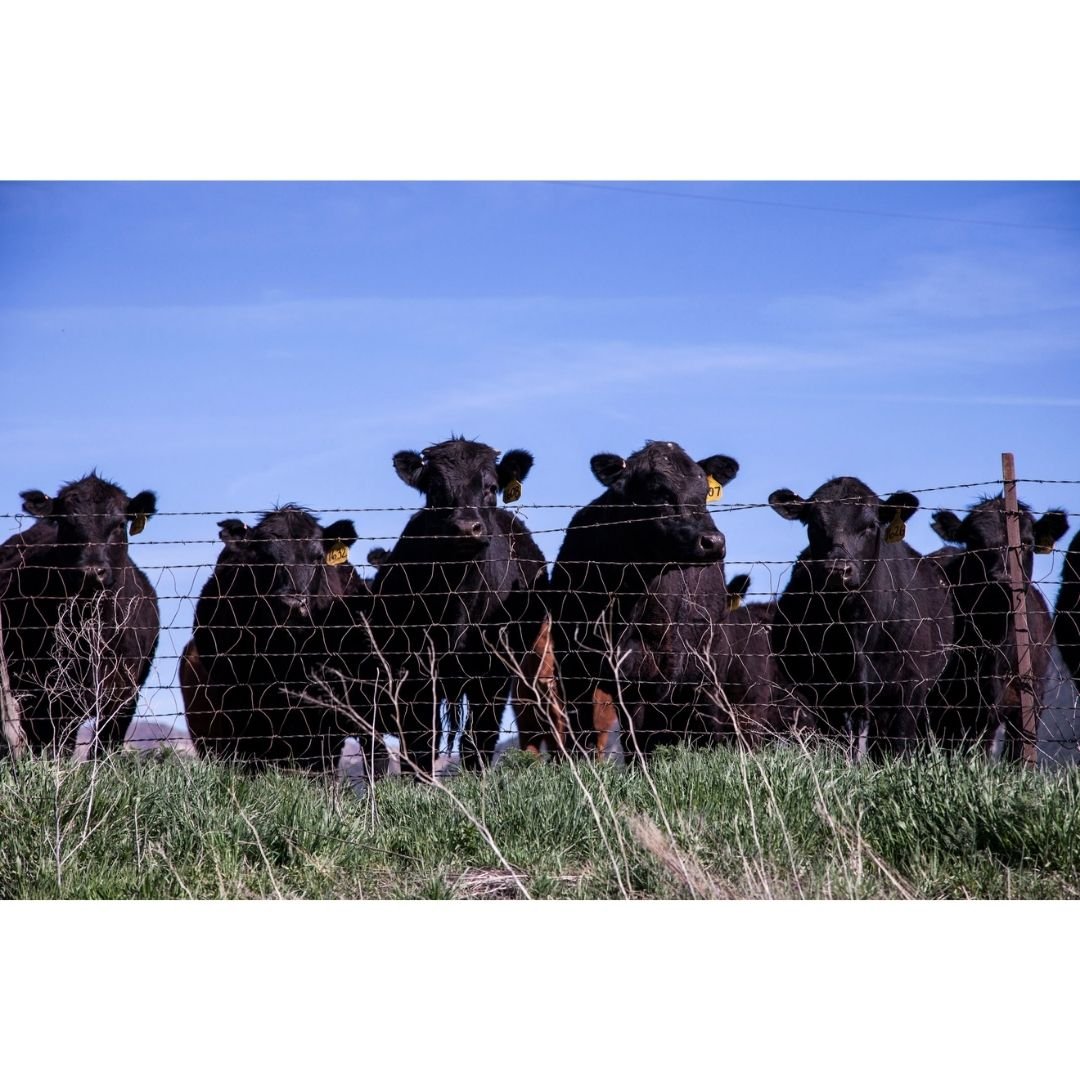
Here's how it works. Every head of cattle, sheep, or goat in Australia must be fitted with an approved NLIS device (typically an electronic ear tag or rumen bolus) before it can be moved off a property. That tag carries a unique ID linked to the animal's Property Identification Code (PIC) — a code assigned to every single livestock-producing property in the country.
Every time that animal moves — to a saleyard, to a feedlot, to another farm, eventually to a processing facility — that movement is recorded in the national NLIS database. It creates a complete, auditable, lifetime record of that animal's journey from birth to slaughter.
It is illegal to remove an NLIS tag. The system is mandatory, legislated in every state and territory, and compliance is actively monitored.
What does that mean for you as a consumer or a business buying meat? It means that if any question ever arises about the safety or quality of a product, the answer is available. Not approximately available. Not roughly traceable. Precisely, verifiably, legally trackable.
No other country does this as comprehensively as Australia.
Livestock Production Assurance: The On-Farm Promise
Traceability isn't just about movement tracking. It also covers what happened on the farm itself.
Australia's Livestock Production Assurance (LPA) program is the industry's on-farm assurance scheme. It covers seven key areas:
- Food safety
- Animal welfare
- Biosecurity
- Property and livestock records
- Feed and water
- Chemical use
- Livestock transactions
When an animal is sold and moves through the supply chain, it's accompanied by a National Vendor Declaration (NVD) — a legal document in which the producer declares the food safety status of every animal. This declaration covers things like whether any chemicals or hormone growth promotants were used, whether any withholding periods have been observed, and whether the animal has had access to any potentially harmful feeds.
This means that by the time meat reaches a supplier like University Meat, there is a documented paper trail of how those animals were raised and managed. Not a promise. Not a handshake. A legal declaration.
Grain-Fed vs Grass-Fed: What Traceability Tells You About the Difference
One of the practical benefits of Australia's traceability system is that it also underpins quality claims — including the distinction between grain-fed and grass-fed beef.
Grass-fed beef comes from cattle that have grazed entirely on pasture throughout their lives. Australia's vast pastoral lands make this a natural choice for much of our cattle production, and the result is typically leaner beef with a distinctive, sometimes more complex flavour profile.
Grain-fed beef comes from cattle that have spent a portion of their lives in a feedlot, where their diet is supplemented with grain. This typically produces more consistent marbling (the intramuscular fat that gives beef its richness and tenderness), a milder flavour, and a more uniform eating experience. Premium grain-fed programs in Australia specify exactly how many days on feed an animal has received — typically ranging from 100 to 300+ days for premium cuts.
Both are excellent. The right choice depends on the dish, the cut, and personal preference. But the important thing is that Australia's systems mean these claims are verifiable. When a product is labelled grain-fed, that's backed by documentation and audit trails, not just a label.
MSA: When Traceability Meets Eating Quality
Australia takes things a step further with the Meat Standards Australia (MSA) grading system — a science-based quality grading framework developed by Meat & Livestock Australia that predicts the eating quality of beef before you buy it.
MSA grades beef based on a range of factors including breed, marbling score, animal age, and how the meat has been processed and aged. It essentially takes traceability information and converts it into a prediction of how good your eating experience will be.
Look for the MSA logo on beef and you know it's been assessed to a consistent, independently verified standard. It's one of the ways Australia doesn't just track where meat comes from — it tracks whether it's going to be worth eating.
Why This Matters When Choosing a Meat Supplier
All of this matters enormously when you're choosing who to buy your meat from — whether you're a home cook, a restaurant, a hotel, or a large-scale caterer.
A supplier who sources Australian meat isn't just offering a geographic preference. They're offering access to a supply chain that is:
- Legally traceable from farm to delivery
- Independently audited through LPA and NLIS compliance
- Regulated by state, territory, and federal food safety standards
- Assessed for quality through programs like MSA
- Committed to animal welfare through on-farm assurance requirements
When you buy imported meat, many of these guarantees simply don't exist — or exist at a much weaker level. The labelling may be less stringent, the welfare standards lower, and the traceability chain far murkier.
Australian meat costs what it costs because it's produced the right way.
University Meat: 65+ Years of Sourcing the Best of Australia
University Meat has been supplying Melbourne's restaurants, hotels, caterers, aged care facilities, and home cooks since 1960. That's more than six decades of relationships — with the farmers and producers who raise exceptional animals, and with the chefs and customers who expect nothing but the best.
We source 100% Australian beef, lamb, pork, and poultry. Every product we carry comes through a supply chain we know and trust, with full traceability back to source. When you order from us, you're not just getting great meat — you're getting the confidence of knowing exactly where it came from and how it was raised.
Whether you're ordering a single lamb shoulder for Sunday dinner or you're a commercial kitchen looking for a reliable wholesale partner, that commitment to quality and provenance doesn't change.
Ready to Order?
Experience the difference that truly traceable, Australian-sourced meat makes — in flavour, in quality, and in peace of mind.
We deliver across Melbourne with same-day and next-day options available. Browse our full range of beef, lamb, pork, poultry, and smallgoods — all 100% Australian, all sourced with care.
University Meat — Melbourne's trusted wholesale and home delivery butcher since 1960.